May 11, 2026
Building an International Business Without Leaving Japan
From communication and localization to partnerships and international execution, many Japanese businesses underestimate how much global growth can be coordinated directly from Japan with the right operational support. This article explores how companies can expand internationally without immediately building large overseas structures — and why operational flexibility often matters more than physical presence.
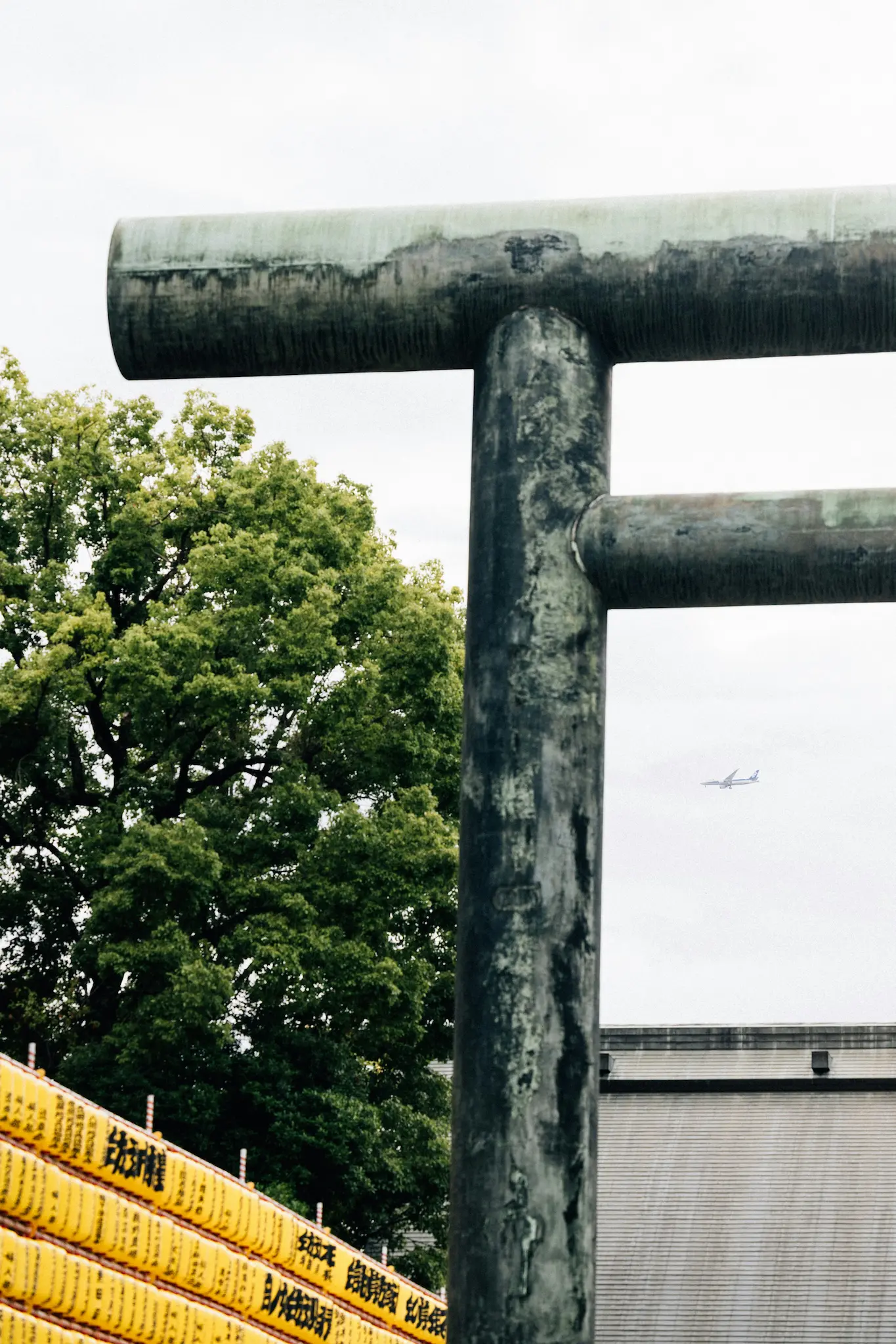
For many Japanese businesses, international expansion still feels distant.
Not because the opportunity does not exist.
But because global growth often appears to require:
overseas offices,
local international teams,
expensive structures,
or large operational investments.
As a result, many companies delay international expansion longer than necessary.
Even when:
international demand already exists,
overseas audiences are discovering the brand,
inbound tourism creates visibility,
or foreign customers are actively searching for Japanese products and experiences.
In reality, international growth no longer always requires building everything abroad immediately.
What matters more is building the right operational structure capable of supporting international markets consistently.
International growth is becoming more accessible
Over the past few years, international access has changed significantly.
Today, many Japanese businesses can reach global audiences through:
ecommerce,
social media,
creators,
inbound tourism,
marketplaces,
partnerships,
and direct-to-consumer channels.
International visibility often starts appearing long before businesses intentionally pursue overseas growth.
The challenge is no longer only visibility.
It is operational readiness.
Many businesses underestimate the operational side of international expansion
One common misconception is that international growth begins with marketing.
In reality, operational coordination often becomes the more important layer.
As businesses expand internationally, they quickly face questions around:
multilingual communication,
international customer support,
localization,
overseas logistics,
global partnerships,
content adaptation,
and execution across different markets.
Without operational systems capable of supporting these layers, growth often becomes difficult to sustain.
Physical presence is not always the first requirement
Many businesses assume they need:
overseas offices,
large international teams,
or complex foreign structures immediately.
Sometimes this becomes necessary later.
But in many cases, sustainable international growth starts by building:
flexible operational support,
multilingual communication systems,
international coordination,
and stronger visibility across markets.
The objective is not simply “being overseas.”
It is operating internationally effectively.
International expansion often fails because operational distance becomes too large
One of the most common problems is the growing distance between:
headquarters,
international customers,
and local market realities.
Over time, businesses may struggle with:
slow communication,
fragmented execution,
delayed responses,
inconsistent customer experiences,
or lack of visibility across markets.
This creates operational friction.
And operational friction compounds as international growth increases.
Why flexible international support matters
The companies that tend to expand internationally most effectively are often the ones that reduce operational complexity early.
Not necessarily by building massive overseas organizations.
But by creating:
stronger communication systems,
operational flexibility,
embedded support,
international coordination,
and closer connections between Japan and overseas markets.
This allows businesses to:
stay focused on their core operations in Japan,
while still building international momentum progressively.
Building global presence gradually
International growth rarely needs to happen all at once.
Many successful businesses expand progressively through:
ecommerce,
partnerships,
distributors,
popups,
international communities,
wholesale relationships,
or targeted overseas activations.
Over time, operational infrastructure evolves alongside growth itself.
The companies that succeed long term are often the ones building flexible systems capable of adapting as international demand increases.
Moving forward
Building an international business no longer always requires leaving Japan physically.
But it does require:
operational adaptability,
cross-cultural understanding,
international communication,
and systems capable of supporting long-term growth globally.
The businesses that continue growing internationally are often not the ones expanding the fastest initially.
They are usually the ones building operational structures capable of sustaining international momentum over time.